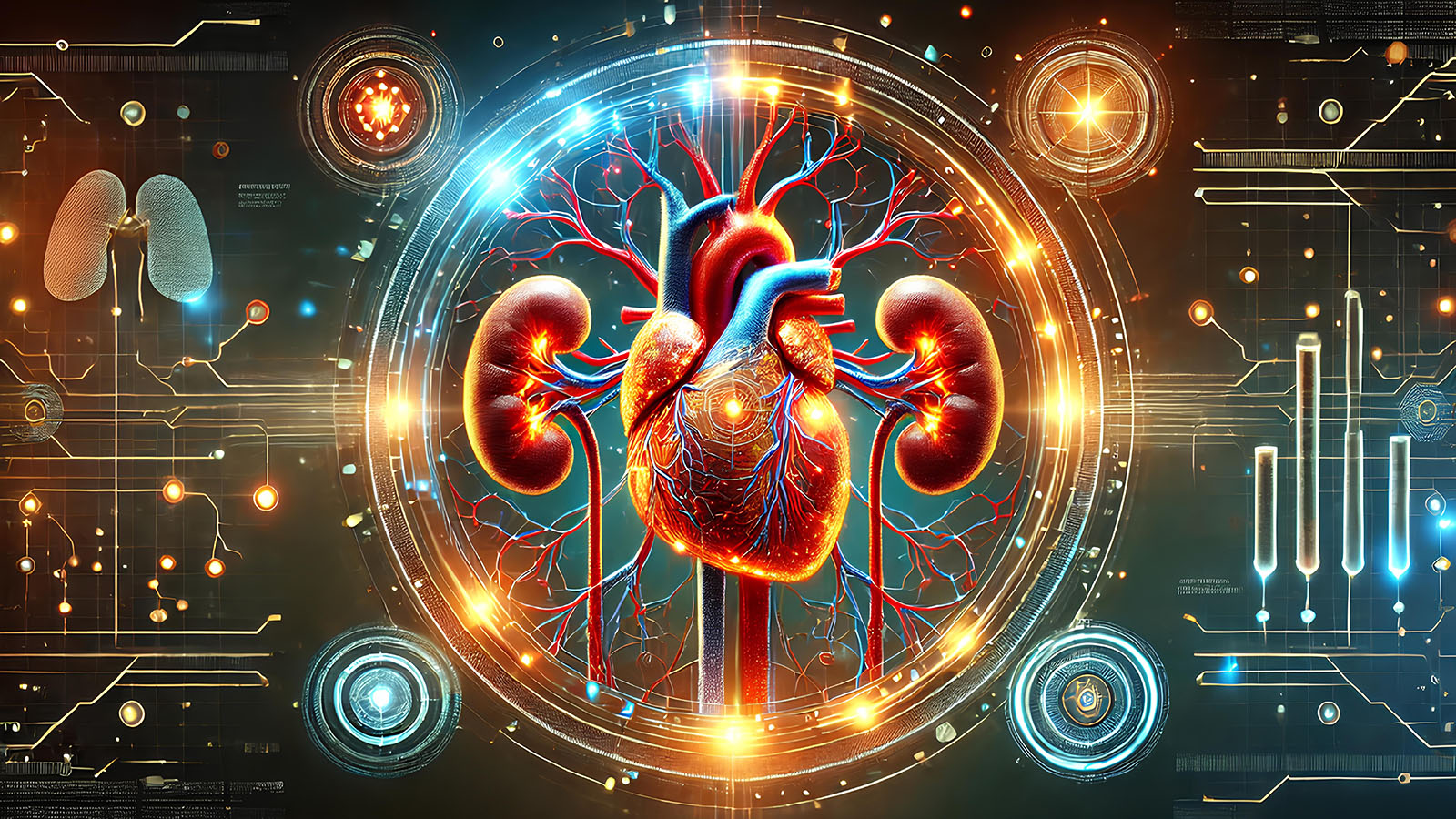
本組的教學目標是培養具備心血管疾病、新陳代謝疾病、內分泌疾病及腎臟疾病研究能力的轉譯人才,旨在開發創新的治療藥物及醫療器材。學生將學習從基礎研究到臨床應用的完整過程,具備解決複雜疾病問題的能力,並致力於促進醫學領域的進步。
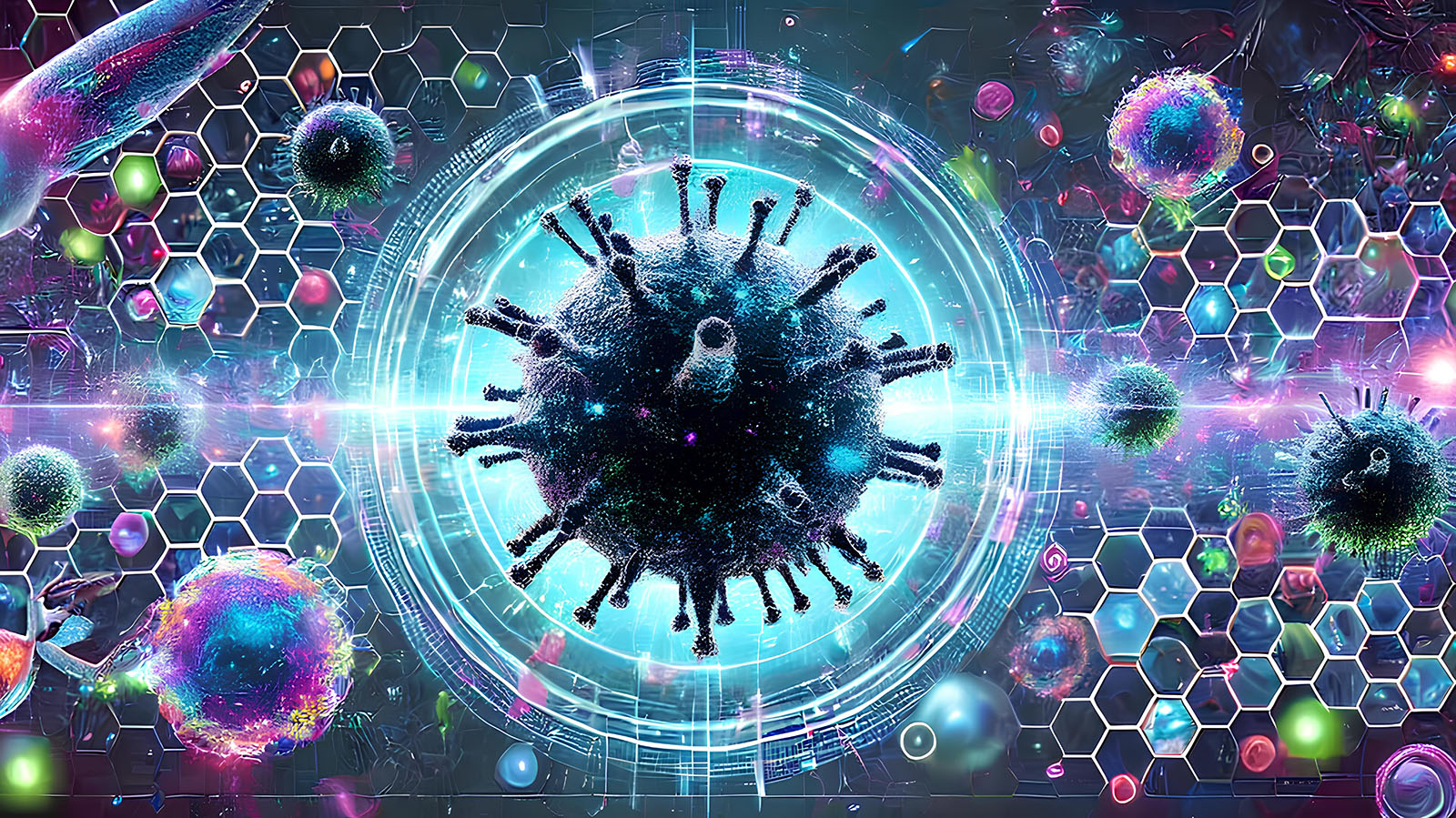
旨在培養具備感染症、免疫學及細胞生物學專業知識的高端研究人才,專注於新型疫苗、抗病毒藥物、抗體藥物及免疫治療策略的開發,以應對新興傳染病以及免疫相關疾病的挑戰。學生將通過全面的理論學習與實驗操作,掌握研究成果轉譯至臨床應用的技能,為醫學發展與公共健康做出貢獻。
培養具備神經科學、精神醫學及再生醫學專業知識的研究人才,專注於開發針對神經退化性疾病、精神疾病、以及其他組織再生的創新治療方法。學生將掌握從基礎理論到臨床應用的多元技能,並積極參與研究,探索各種系統疾病的診治新策略。

培養具備遺傳學、流行病學、生物統計學及大數據分析能力的研究人才,重點在於解析複雜疾病的遺傳基礎,並推動精準醫療的發展。學生將學習如何運用先進的數據分析技術來發展疾病預測模型及治療策略,為醫學研究提供重要支持。
Professor Yen-Shen Shan is dedicated to fundamental and translational research in upper gastrointestinal (UGI) cancers, with a mission to cultivate scientists who bridge clinical intuition and rigorous research expertise. He founded the Taiwan UGI Cancer Clinical Trial Consortium (TCTC), integrating resources from 20 medical centers nationwide to provide multi-omics data for over 1,000 cases and execute more than 160 clinical trials. By establishing AI- and web-based prediction tools to optimize clinical decision-making, early screening, and precision medicine, Professor Shan enables students to participate in precision medicine development and solve real-world clinical problems. The laboratory focuses on critical issues such as novel biomarkers, the tumor microenvironment, drug resistance mechanisms, tumor fibrosis, and cachexia, while actively developing innovative pancreatic cancer therapies that combine targeted approaches with nanotechnology. Supported by extensive interdisciplinary collaborations and a prolific record of over 280 international publications, the team welcomes passionate students to utilize these comprehensive resources and work together to enhance the efficacy of cancer treatments.
Our laboratory focuses on the research of molecular mechanisms in cancer metastasis, including breast cancer (specifically triple-negative breast cancer), lung cancer, and prostate cancer. The core objective is to explore the causes of high metastasis and organotropism, particularly addressing the low survival rates resulting from metastasis to the brain or nervous system. Our research scope encompasses non-coding RNA, tumor suppressor genes, and oncogenes, and we are dedicated to identifying potential diagnostic markers or therapeutic targets.
The laboratory has extensive resources, bridging basic research with clinical applications. Members of the laboratory receive multidisciplinary training to translate basic science into innovative drug development.
Our team has identified several key molecules, such as ICAM2, which breaches the blood-cerebrospinal fluid barrier (BCB); Pin1BP1, which is associated with recurrence; and miR-211 and lncRNA MIR4500HG, which drive tumor invasion. We aim to transform these research findings into novel opportunities for clinical diagnosis and treatment.
Led by Prof. Wen-Pin Su, our lab focuses on using nanoplatforms and extracellular vesicles to modulate the tumor microenvironment and enhance immunotherapy. We also study DNA repair to overcome clinical drug resistance.
Since 2021, Prof. Su has published nine papers in high-impact journals (IF > 10, such as Nature Communications and ACS Nano), including five with IF > 15. As a seasoned oncologist, Prof. Su bridges nanotechnology with clinical research to pioneer novel cancer treatments.
Recent Nobel Prizes—from immunotherapy and hypoxia to the 2025 award for MOF nanomaterials—confirm that our focus aligns with global biomedical trends. We invite you to join us in advancing the future of cancer therapy.
My laboratory has been focused on doing medical research regarding human immunological and infectious diseases with the goal of achieving improved clinical treatment based on scientific insights. His labotory research contributed to the understanding of the mechanisms underlying human primary and secondary immunodeficiency diseases and how subtle immunodeficiencies lead to different infections. The recent results from his laboratory addressed the question how metabolic programming in immune cells changes the host defense and how reactive oxygen species affect immune responses mediated by innate and acquired immune cells. His clinical research work focuses on the treatment pediatric patients with immunodeficiencies, autoimmune diseases, cancers and allergy and how these patients respond to infections and vaccinations
Our laboratory studies how cytokines control cell–cell interactions in inflammation and cancer. We are particularly interested in the IL-10 family cytokines and their roles in airway inflammation, metabolic imbalance, and the tumor microenvironment. Using a combination of molecular, cellular, and in vivo approaches, we aim to understand how cytokine signaling shapes immune responses and contributes to disease development. We use established animal models to test candidate antibody therapies and validate their efficacy and safety at the preclinical level. Our work connects basic immunology with therapeutic development, with a focus on identifying targetable pathways and advancing antibody-based strategies for inflammatory diseases and cancer.
Welcome to Prof. Tsai's lab! Our research focuses on basic neuroscience and clinical neurology, primarily targeting dementia associated with neurodegenerative diseases, including Alzheimer's disease, frontotemporal degeneration, ischemic stroke, hemorrhagic stroke, and cognitive impairment from traumatic brain injury. Experimental hypotheses are tested using molecular and cellular biology techniques, supplemented by disease animal models and behavioral assessments, to elucidate functional characteristics and physiological mechanisms. This work provides innovative and significant insights for the field, aiming to deeply investigate dementia pathogenesis and develop new therapeutic strategies to advance translational medicine.
Our research focuses on improving clinical outcomes for full-thickness skin wounds, which fail to regenerate and often result in scarring and morbidity. We hypothesize that mechanical forces, genetics, and epigenetics work together to control tissue competency during healing. Using transgenic mice, the African Spiny mouse, Lanyu pig models, and human explant skin, we study changes in the transcriptome, proteome, and epigenome. Our goal is to understand how endogenous reprogramming influences regional-specific healing, aiming to promote skin regeneration while minimizing scars. Our findings could lead to novel therapies for patients with severe trauma.
Our laboratory focuses on neurophysiology and neuromodulation, investigating the pathophysiology of brain disorders and potential therapeutic strategies through clinical and translational neuroscience, with a focus on epilepsy and cognitive neuroscience. Our research includes (1) Electrophysiological Mechanisms of Seizure and Epilepsy (2) Neuromodulation and Therapeutic Potential in Neurological Disorders (3) Clinical Research and AI Applications, supported by strong interdisciplinary and international collaborations. Students interested in neurology and neuroscience are welcome to join our team.
The Laboratory of Molecular Metabolic Medicine (3M Lab) investigates the molecular mechanisms underlying metabolic diseases, aiming to connect basic research with clinical applications to enable new therapies. The lab’s research areas focus on three major axes:
• Mitochondria: Studying mitochondrial dysfunction and calcium homeostasis, clarifying their roles in cellular physiology and links to disease.
• Metabolic Disease: Exploring mechanisms of obesity, diabetes, and cardiovascular complications such as vascular calcification and aortic aneurysm. Special interests include inflammation, inflammasomes, and adipose tissue browning.
• Metabolic Pathways: Investigating the molecular basis of chronic kidney disease and renal fibrosis, and how physical factors like tissue stiffness influence cell behavior and disease development, using interdisciplinary approaches.
Our work integrates cellular models, gene-knockout mice, and clinical patient samples to rigorously test hypotheses and promote translational research from bench to bedside.
Welcome to the Cardiovascular Disease and Therapeutics Laboratory led by Professor Ping-Yen Liu. Our lab is dedicated to clinically driven translational research — transforming real clinical challenges into testable scientific questions and translating discoveries back into improved patient care.
We focus on major cardiovascular and metabolic diseases, including atherosclerosis, myocardial infarction, cardiac aging, obesity-related disorders, and pulmonary hypertension. Students and trainees engage in a full spectrum of translational research, from cell-based studies and animal models (including mouse echocardiography), to clinical big-data analysis and bioinformatics. Our work explores key mechanisms such as Rho kinase (ROCK) signaling, vascular dysfunction, and inflammation.
We also pursue innovative projects on vascular calcification, cancer therapy–related cardiovascular complications, and novel nano-therapeutics, while building precision medicine platforms integrating genetics, biomarkers, and clinical phenotypes. Recently, we have expanded into artificial intelligence for medical imaging, risk prediction, and clinical decision support.
We value curiosity, collaboration, and independent thinking, and provide close mentorship and interdisciplinary training. We warmly invite motivated students and fellows to join us and help shape the future of cardiovascular precision medicine.
The Laboratory of Genetic Psychiatric Epidemiology and Biostatistics advances precision medicine in psychiatric and complex disorders by integrating biomedical research, epidemiology, and quantitative analytics. Our mission is to identify determinants of disease risk, progression, and treatment response, and translate them into clinically useful prediction tools.
Our research applies advanced statistical modeling to investigate predictive factors, familial aggregation of endophenotypes, and gene–environment interactions. Key areas include genetic studies of prognostic markers, development of statistical methodologies, machine learning–based risk prediction models, and clinical epidemiology with big data analytics.
We integrate multi-level biospecimens and genomic technologies to identify molecular, cellular, and inflammatory biomarkers, while applying rigorous frameworks for feature selection, model development, and validation. Through transparent evaluation and visualization, we enhance interpretability and develop accessible prediction platforms to support clinical decision-making.
We aim to elucidate the molecular mechanisms underlying rare genetic diseases and develop precision targeted therapeutic strategies. Our platform integrates next-generation sequencing, multi-omics analyses, and CRISPR/Cas9-based functional studies in iPSC-derived cells, organoids, and zebrafish models. Our goal is to translate these advanced technologies into clinically actionable diagnostic and therapeutic tools to advance precision medicine.